Those in the cleaning trade who are intent on working high up on a building’s façade, windows or other hard to get at exterior surfaces will find IRATA Rope Access Training is the way to do it safely. An International IRATA certification puts on record that one has been properly trained in safety protocols, rescue, rope systems and work at heights; however, it is no substitute for local legal obligations, risk assessments, supervision or site inductions.
An IRATA Level 1 course is where most cleaners begin. The candidate must be 18 or over, medically sound and have no qualms with heights or the physical demands of a practical assessment. In this piece Fletcher Rosenthal examines the ins and outs of the training, from cost to what might trip people up, and if rope access is right for your next career step.
Ropes and What Cleaners Learn
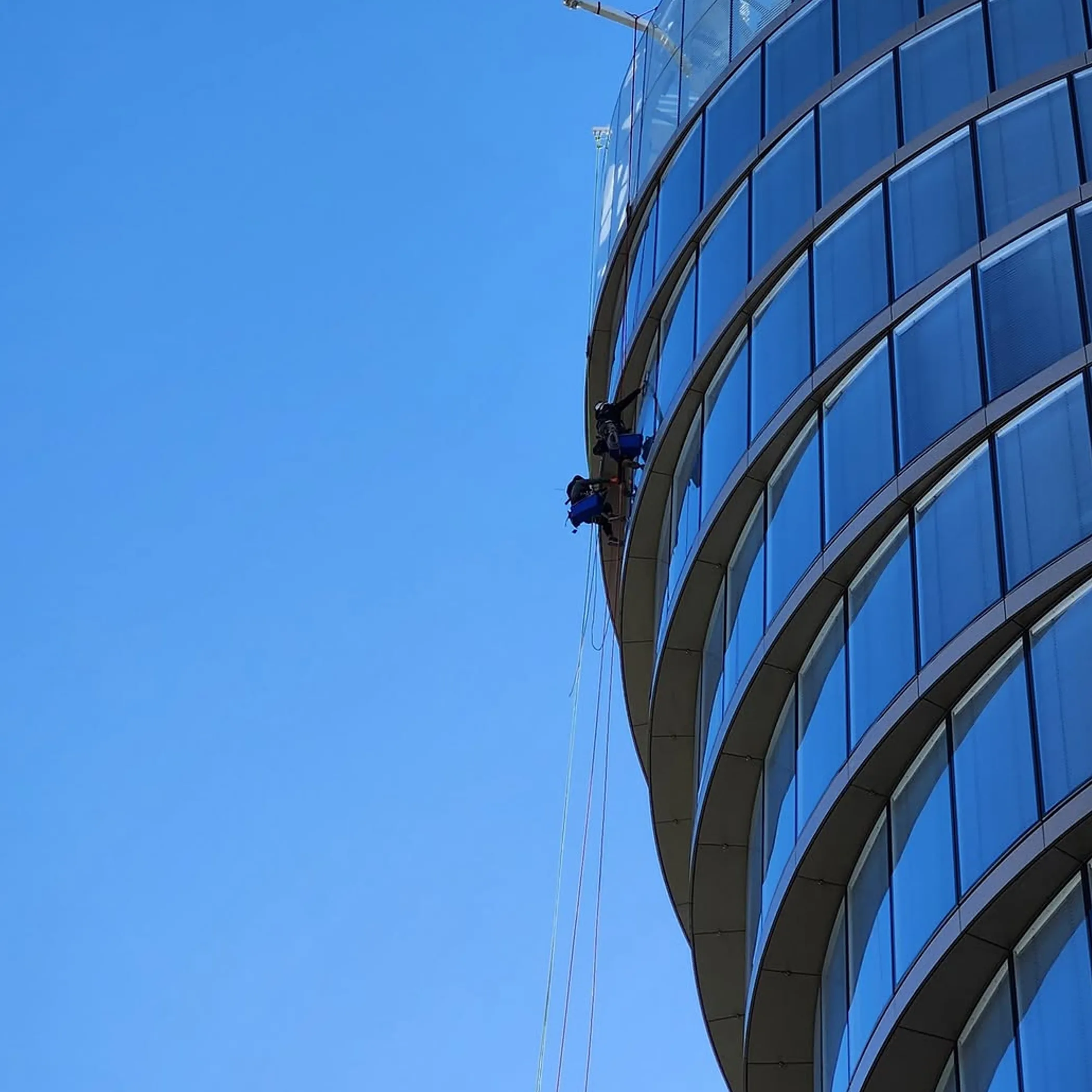
The instruction given to cleaners in IRATA rope access is a controlled approach to getting to one’s work with the aid of ropes, harnesses, backup systems and connectors. One is not put there to be a hero on the side of a building. A rope access technician is taught to handle his work and any issues that arise so as not to have a routine matter end up as an expensive rescue, including making informed elevated surface gear choices.
With live work sites, inclement weather and awkward surfaces being part and parcel of high-rise window and exterior cleaning, rope access is useful when you cannot make use of a lift or scaffolding, provided the system is well managed.
Cleaning From Above
Be it descending off a roof to do some glazing, taking dirt off cladding or moving across a façade for a commercial clean, the task is secondary to safe access. If the rope system is not under control then the job is a failure, no matter how good the window looks.
In the course of their training they will be shown emergency procedures, equipment checks, communication and the basics of movement and positioning. Some rigging is covered but a Level 1 is not by default a competent person for all manner of complex rigging.
Do Not Confuse Certification With a Licence
While it is an industry qualification, IRATA is not an Australian licence of general application for work at height. Clients and employers could call for more in the way of documented experience, medicals, a Work Safely at Heights course or site competencies. There is national guidance from Safe Work Australia but one should also be aware of state and territory rules, especially where construction or public areas are concerned.
The Case for Getting Certified
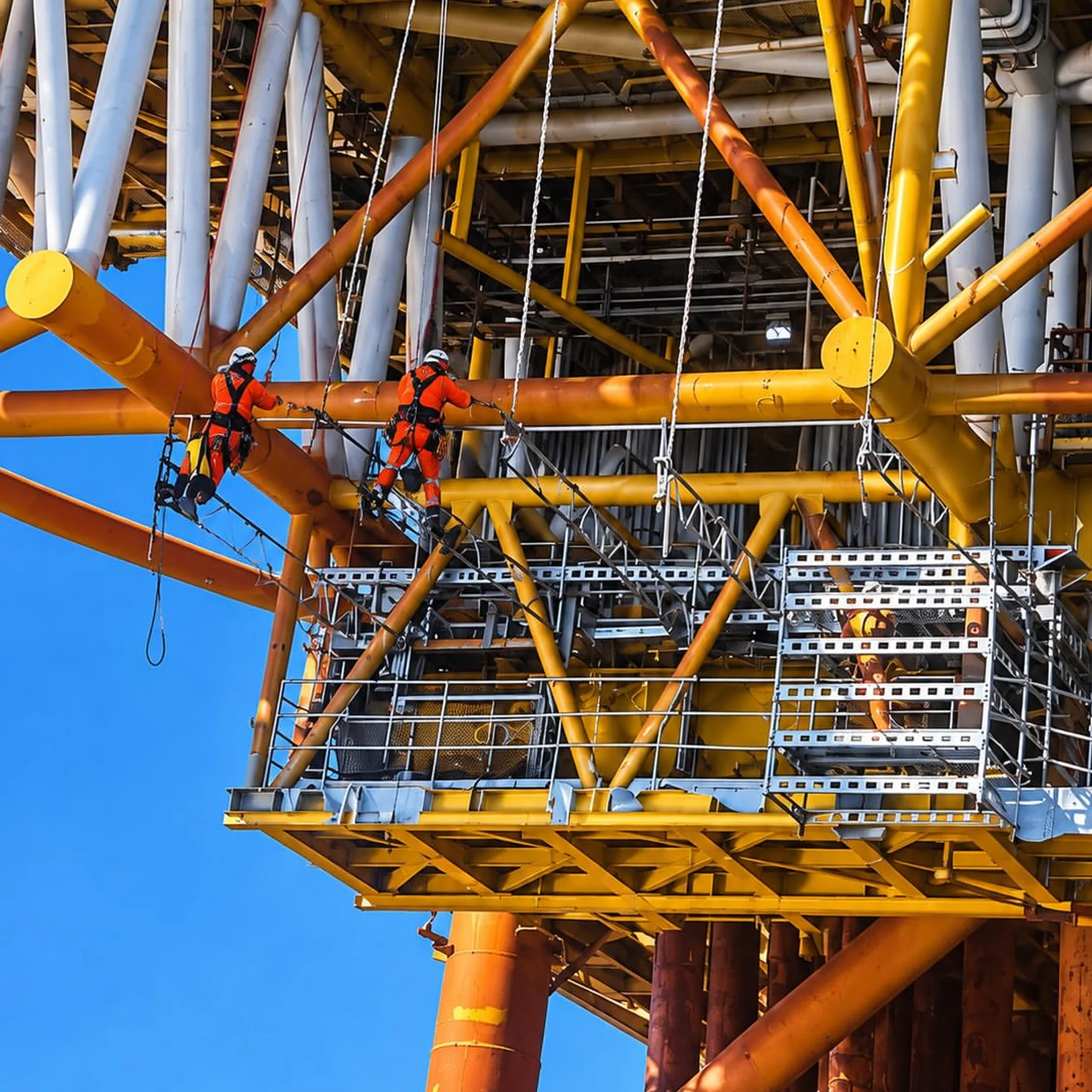
For an employer wanting sure access to a tower, shaft or atrium, a cleaner with IRATA training is more of an asset. It is a better career trajectory than to put stock in informal experience and assume a height-safety ticket is enough. There is consistency in learning a system that is recognised and being assessed on your own merit. A principal contractor or building manager wants to see that his workers are capable of more than squeegee work.
When General Training Is Not Enough
A new worker would be mistaken to think a Work Safely at Heights course is the equivalent of rope access training. The former deals with fall prevention and hazards, IRATA with operating in a rope system. And rope access does not make a hazard go away. Traffic, the elements, fragile or sharp surfaces can put a stop to things. In the Top End and western parts of WA you have to factor in cyclone alerts and storms come wet season, while in the south a sudden gust or strong front can be equally problematic.
What Employers Want
They will be looking for current certification and someone physically fit who has the communication skills and will adhere to procedure unobserved. Attendance is key. Having a secondary trade such as painting, pressure or glass cleaning, caulking or inspection is an advantage on a crew. Then there is the matter of experience; a Level 1 may be certified but still require some oversight before he is set loose on a demanding job or unfamiliar anchors. A certificate is an opening, not some way of putting ten years’ worth of judgement in your head by magic.
IRATA Level 1 Course Requirements
For those in Australia looking to do the IRATA Level 1 course, this is typically where one starts. The nature of it is physical and practical, with a lot of assessment involved. You will be on the ropes for much of the time, going over techniques, inspecting your kit and learning to keep your composure when your arms are done in.
It pays to put some questions to the training provider before you make a booking: what are their rules on cancellations, how is the assessment handled, what equipment is provided and what of your own clothing is needed? In the event of bad weather making practical training impossible, find out what the protocol is. If there is any question as to whether you can see the course through safely, or if you have had a recent injury or a medical condition, a doctor’s note might be called for.
Minimum Entry Considerations
We would expect an applicant to be at least 18 and in good enough health for rope access work. There is an onus on you to communicate well, take instruction and be comfortable at heights, able to put in the physical effort in a harness and helmet. Some nerves to begin with are to be expected; but if you cannot abide correction, are not forthcoming with a health matter or will not heed a stop order, that is another matter entirely. Do not wait until you are suspended next to a wall to inform the provider of an injury or medication you are on.
Training And Assessment Flow
What you will be doing is dictated by the facilities, the training provider and the IRATA requirements in force. For the most part you will progress from safety protocols and getting to know your equipment to the fundamentals of movement and positioning, ascending and descending, changeovers and rescue. Then comes an independent assessment after the practicals. To pass you have to show you can do it safely, attendance at every session is not enough. Should you prove unready, you may have to put right some unsafe habits and come back for another assessment.
Before enrolling, run through this checklist:
- Make sure the provider is recognised for the IRATA course in question.
- Find out if the price they put out covers both the training and the assessment.
- See if they put out the gloves, helmets and harnesses.
- Get your water, food and enclosed footwear and work clothes in order for the long days ahead.
- Put forward any pertinent medical details and see if a note from the doctor is wanted.
- Have a plan to get home after the assessment should you be too fatigued to drive.
The Cost In Australia
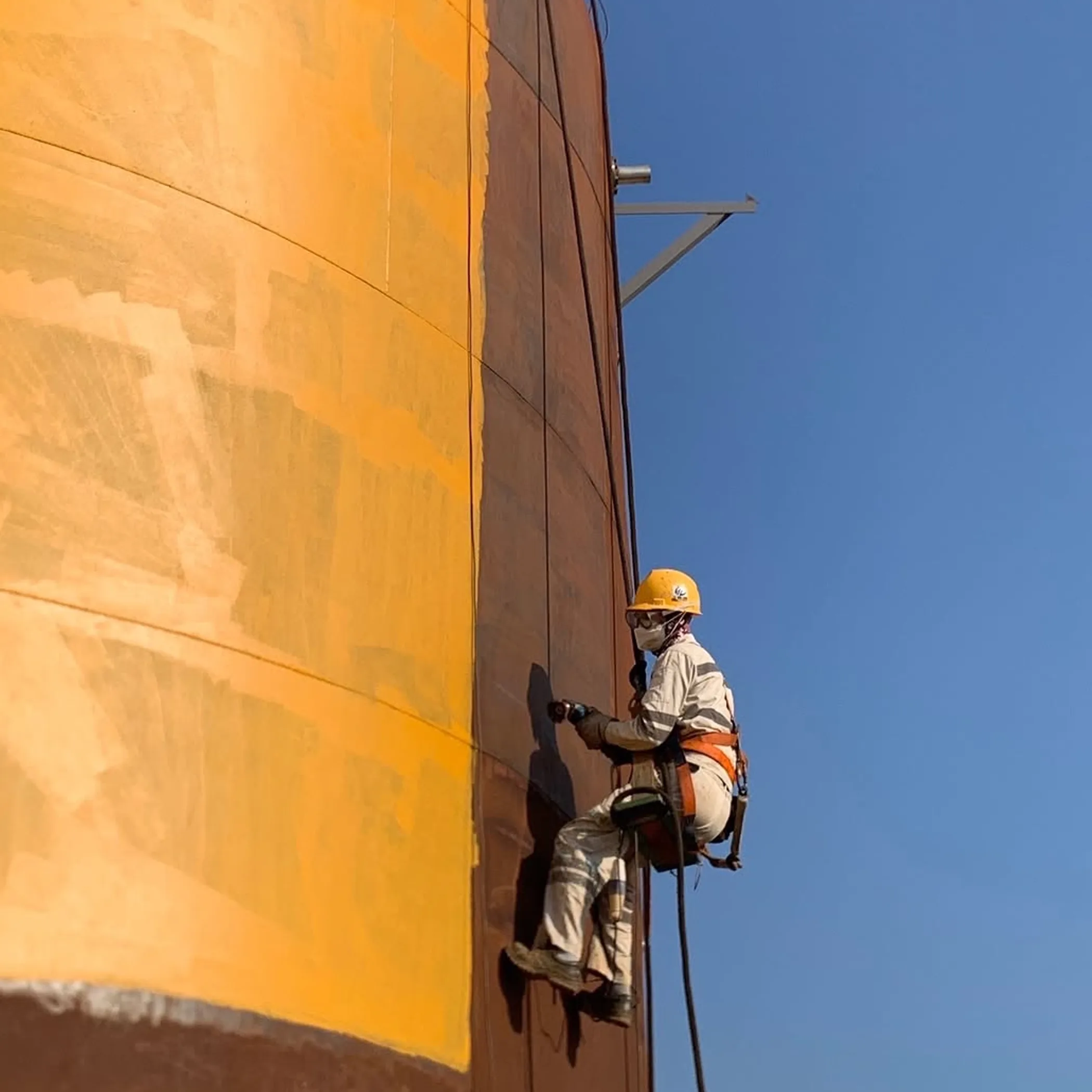
There is no Australian standard price one can put forward, given that provider rates are subject to change and we do not have current quotations to hand. A responsible comparison will look at the package as a whole and not the headline number. Whether it is for resits, accommodation, travel or certification administration, these things can be itemised separately. Get a quote in writing prior to putting down a deposit and have the provider spell out what is and is not included.
Comparing The Full Package
In the course of comparing rope access training across Australia, ensure the fee covers the provider’s practical sessions, PPE, notes, the processing of your certification and the independent assessment. Enquire as to the procedure in the event of an assessment failure. An attractive low fee is no bargain if you end up paying for extra training or a resit.
Then there is the question of travel. For a student in regional New South Wales a trip to a Sydney course means rail or air and meals and a place to stay. Booking in Perth from outside Western Australia could put a bigger dent in your finances than the course. Put the numbers for the entire journey on paper first.
Working Week Budget
Factor in parking, public transport, meals and workwear. The venue could be in an industrial part of town where you will not find many cafés and the transport links are not convenient. It is better to ring the provider and ask about loading zones and the like than to assume the railway station is on the door step.
Do not try to cram the qualification into a hurried appointment if you have but a day. With all the repeated practicals and assessment IRATA training entails, a free day is best put to use getting the medical forms done, sorting your equipment and talking to providers.
Your Equipment And Skills
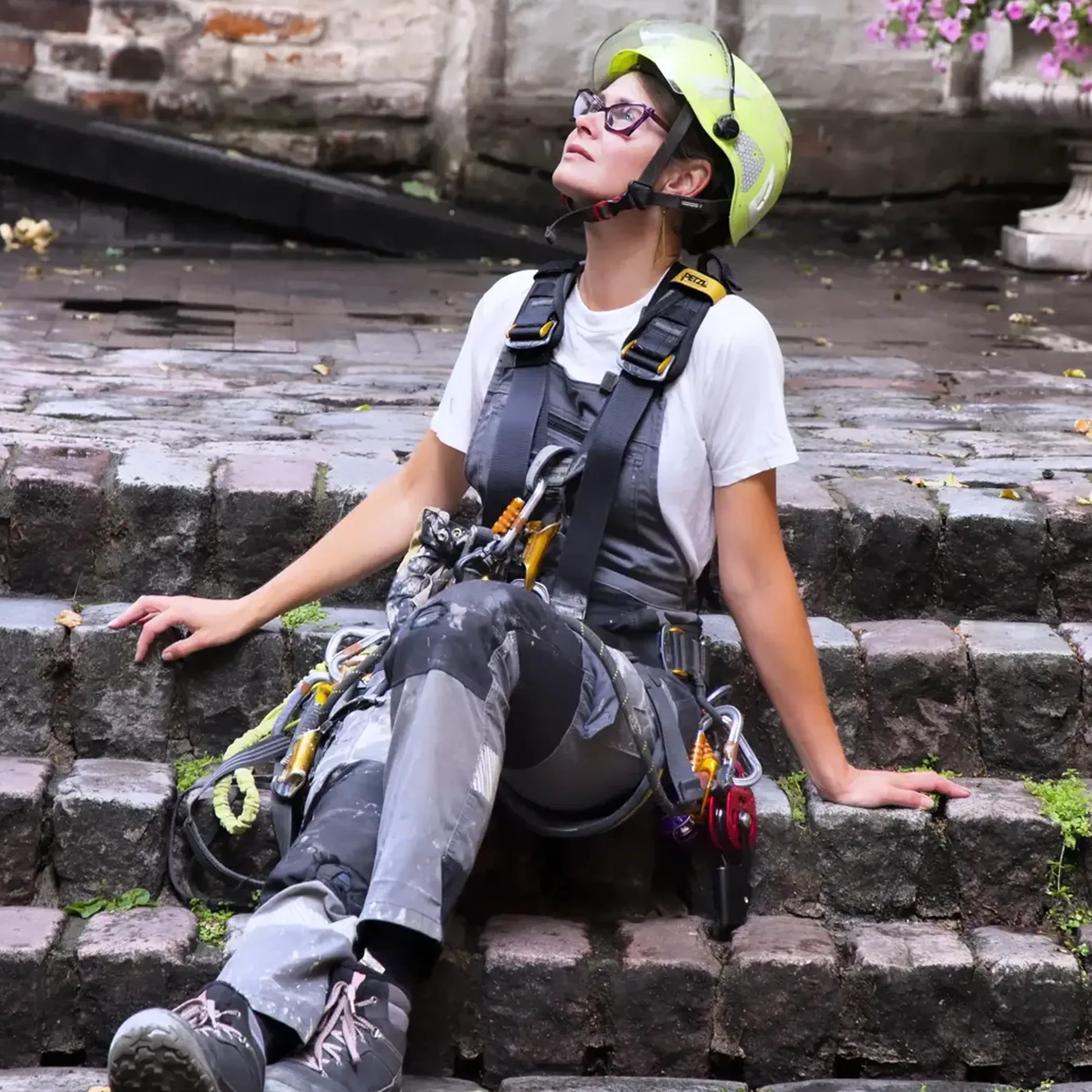
Laid out on the floor of the training room the equipment has a certain intimidation factor. But you will find that it is disciplined checks and proper technique that provide the safety, not having the finest gear. Any worthwhile course will have you come to terms with your equipment before you put your weight on it.
A training regimen can encompass communication methods as well as the like of harnesses, ropes, connectors, slings and rope protectors, not to mention descenders, ascenders, backup devices and helmets. One will find that the equipment in use is a function of the provider and the system they employ for training. It is advisable not to put down money for an entire kit prior to the course without an instructor putting you right on what is needed.
Pre-empting Trouble
Technicians are taught to put systems in place under supervision, to move with efficiency and resolve one hazard without making another. They will learn to check over their gear for damage, shield ropes from edges and keep in touch with the team.
Then there is the matter of fatigue which has a way of getting to people. The demands of rope access are such that one is pulling, bracing and holding unseemly positions for longer than anticipated. What is thrilling on day one by the third has your forearms in revolt. Hence the need for sensible pacing, to be well hydrated and in good physical shape.
Work Includes Rescue
Do not think of rescue as some dramatic add on for the specialists; it is why you are doing rope access training in the first place. An injury or incapacity may leave a worker stuck or unable to go on, and the team has to be able to deal with it in accordance with the site plan and their training.
The limits of a Level 1 are set and supervised. With time and the development of competence, a technician at Level 2 or 3 will have more technical onus. But do not consider a higher level a licence to improvise when conditions or the plan do not allow it.
Locating Courses In Major Cities
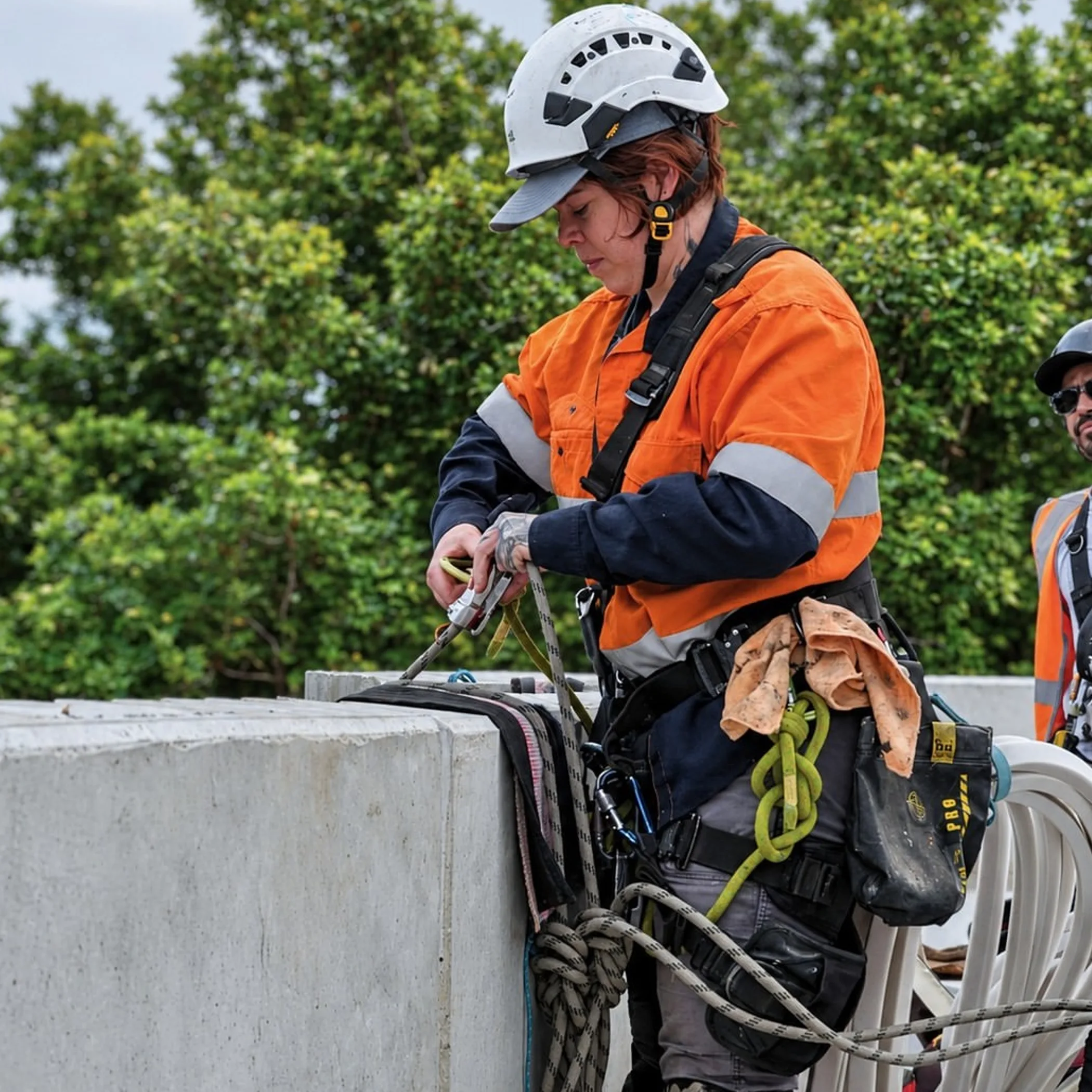
Since availability is fluid, a “rope access training near me” search should be followed up with verification of the provider via IRATA TechConnect or other official channels. While a location name will do to narrow things down, one should be more concerned with the calibre of the instructor and how assessments are done than with a handy suburb.
Australia has its major and industrial centres but dates can be few and far between. Put in a booking early if you have a set month in mind, ahead of a new cleaning contract for instance or when the season calls for it.
Logistics
In Sydney, see if the venue for a rope access course is within walking distance of a station or if a car or rideshare is in order. Melbourne venues can be in industrial parts of town where public transport is thin in the morning, so factor in some extra time for the trams and traffic. For Brisbane enquire as to parking and what is in place for wet weather. Getting from one’s accommodation to the industrial sites for rope access training in Perth can mean a longish trip. As for Adelaide, Hobart, Darwin or Canberra, one may have to be flexible with dates rather than wait for something on the doorstep.
Prospective students come across such names as Atlas Access Training, Vertech Group, All Areas Access, Red Rope Access, Urban Abseiler, High Q Australia, Tasman, Graviteq, 5th Point, Applus and others. Consider this a point of departure for research, nothing more. Verify the pricing, IRATA standing and course opening before you book.
Questions For Providers
Put some questions to the provider: who does the independent assessment, is the venue equipped with structures for realistic practice, how is the weather dealt with? You might want to know if they offer any steer on breaking into commercial or high-rise window cleaning and where their graduates end up.
Have a plan for the route to the venue on the first day, with parking rules and a back up in mind. Arriving late in a plastic bag with a new harness, all in a sweat, is hardly a good introduction.
Career Progression Beyond Level 1
Level 1 is an entry level. It might get you on a team but an employer is going to judge your attitude to safety, your reliability and physical make-up as much as your cleaning ability. From there, with experience, a worker can make his way to the responsibilities of Level 2 and 3. In addition to trade skills and inspection know-how, they might put down specialist cleaning or façade maintenance to their credit. Then there is the question of revalidation; with IRATA certification being viewed as a three-year affair under the rules in force and present status demands, it is something to attend to.
From Cleaning To Technical Work
While some are content to stick with exterior and high-rise window cleaning, others will make the transition to supervision, construction support, industrial access or inspection. A rope access technician that has an appreciation for what is at the end of the rope is worth more than one whose understanding is limited to the rope system itself.
It is wise to have training, medicals, site inductions, any extra competencies and a record of your experience on file. That comes in handy when one is after work in another state or switching employers.
IRATA Or SPRAT?
The question of which is superior is often posed. One would be unwise to go by the slogan. Look at what the market you are in expects from an employer’s perspective, what training and assessment is on offer, how one can progress and the sort of work desired.
There is broad recognition for IRATA International in Australia and the rope access industry at large, yet not every employer will count every certificate for every job. Put the question to them before parting with cash.
Some Common Questions
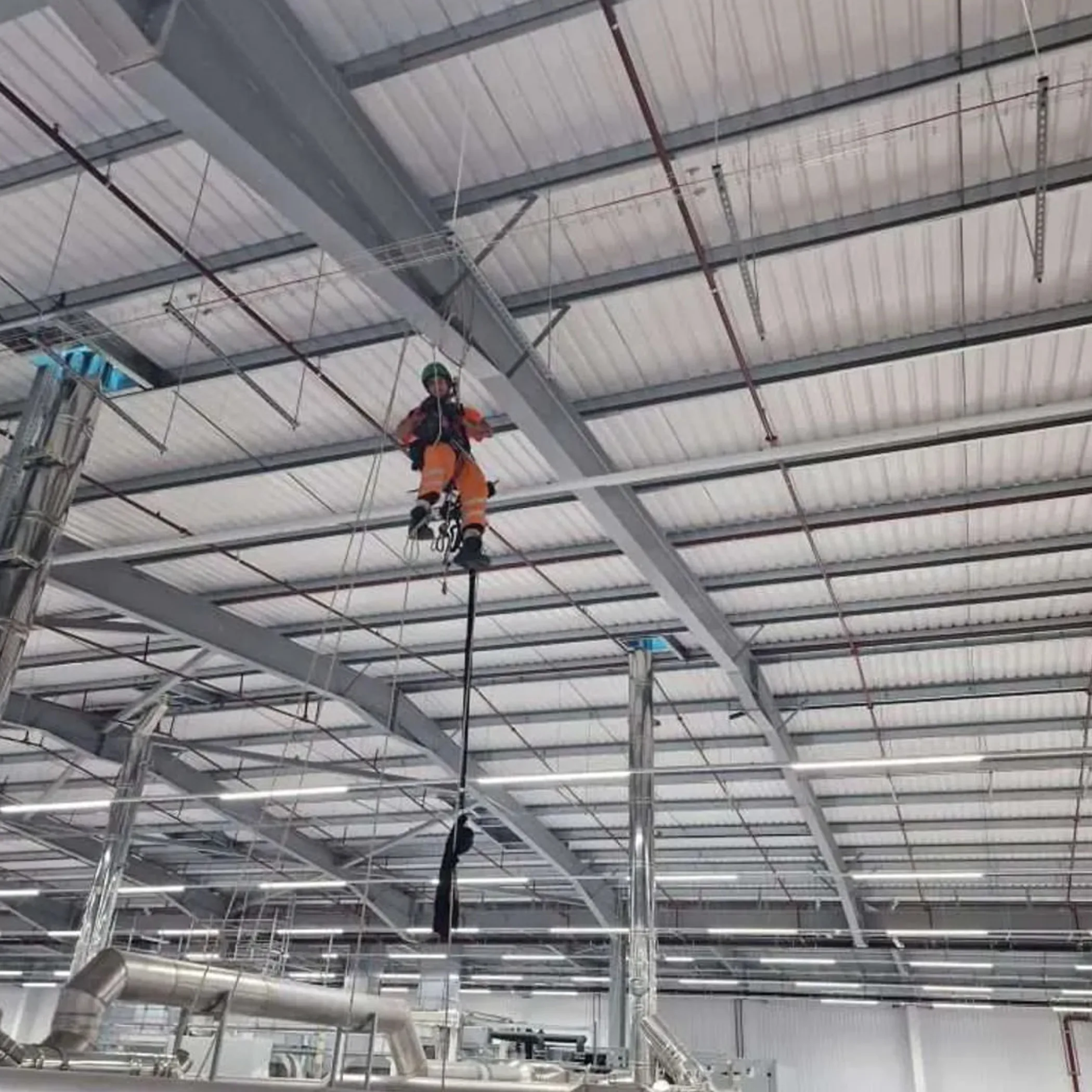
You will see these concerns once the course price is in front of you and a look over the roof has made you think gravity is a bit too sure of itself. The answers here are straightforward but do check with the provider and employer on what is required now.
How much for the certification?
An itemised quote for IRATA Level 1 is in order since there is no standard Australian figure; providers put together the costs for administration, equipment, assessment and training in their own way. On top of that put down travel, meals, workwear, accommodation and anything for resits.
Average salary?
Do not assume any average holds true across the board. What a rope access technician makes is a function of location, overtime, allowances, the employment deal, secondary skills and so forth. Have a look at the job ads and enquire if the pay proffered covers superannuation, penalties and the like.
Is IRATA a given in Australia?
For the most part yes, with contractors and employers in the construction and industrial sectors recognising it. It is no substitute for legal obligations, inductions or medical fitness though. Get confirmation from the one commissioning the work.
Window cleaners at Level 1?
Level 1 is where most begin in rope access so long as the age and medical requirements are met and the independent assessment passed. But complex or unfamiliar jobs call for some supervised experience and practical skill first.
Not everyone is cut out for rope access.
Those who will not abide by procedure, put forward medical information or operate safely in less than ideal conditions should stay away. There is enough demand from the height, the wind, the heat and physical exertion. Be candid about whether your temperament and body are suited to it when you talk to a training provider.
A safe next step
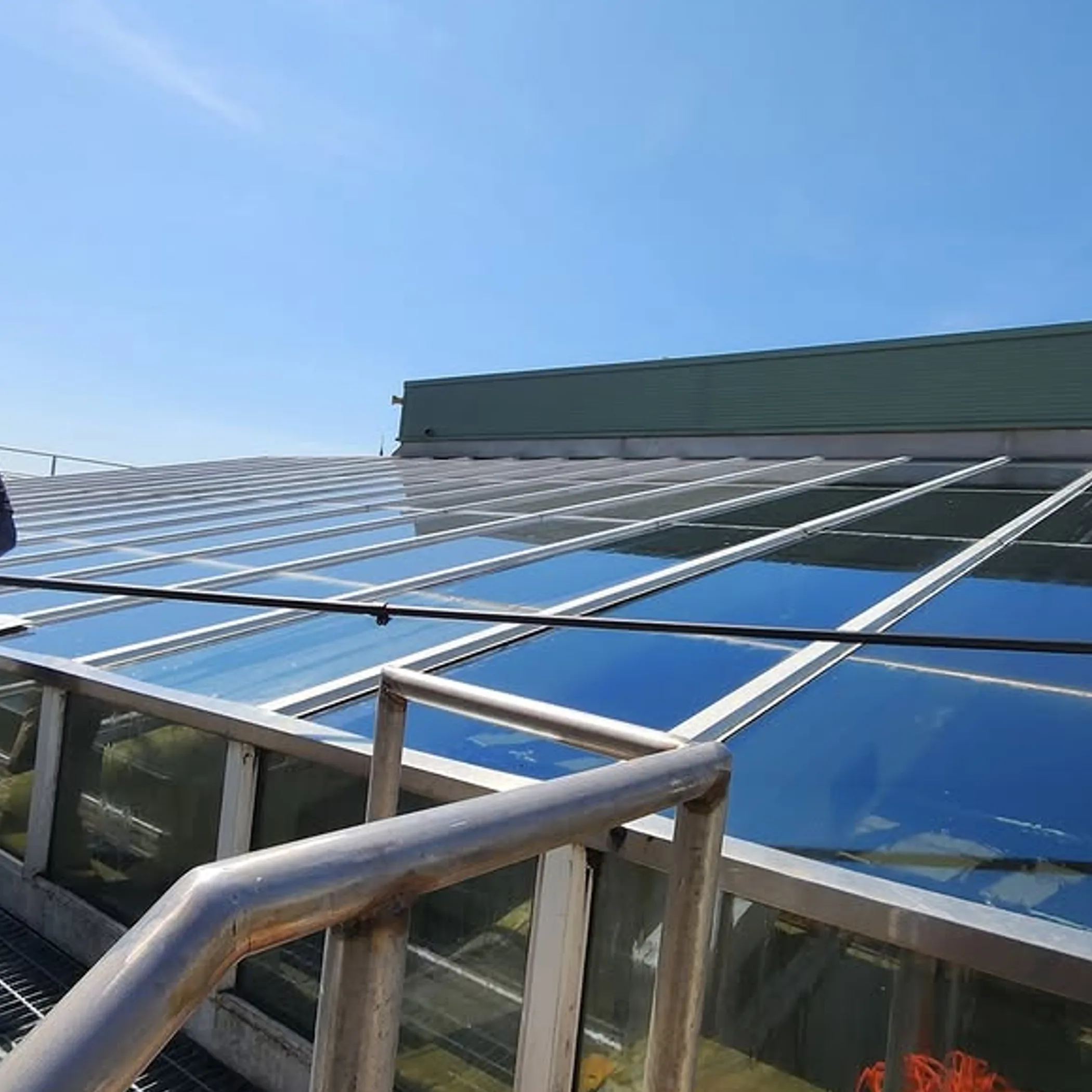
For a cleaner intent on putting in time on hard to reach exterior surfaces and windows, IRATA rope access training in Australia is a good bet. Make sure you have a handle on the provider and assessment process and the full cost of a Level 1 course. Safety is part of the job, not some form to be filled in later.
My advice is to find a course with sound assessment and supervision and learn the equipment. Before you make the leap from commercial cleaning into rope access, or weigh up your gear for elevated work, run through the mundane checks. They are not as appealing as being suspended off a tower but they are what will see you back home.