For a small business, landlord, tenant or homeowner on the coast, the prospect of an East Coast Low in 2026 is no laughing matter. The low-pressure systems are formidable; they have been known to send extreme rainfall, storm surge, damaging winds and flash flooding along the NSW coastline as well as erode it.
The reality is that an East Coast Low will find ways to harm your roof, cladding, windows, services, contents and even the foundation, often by multiple means. You can prepare to stave off water ingress and the risk of injury, but there is no checklist to render a building invincible when the weather gets rough. Fletcher Rosenthal has put together this guide to set out the principal risks of storms affecting coastal roofs and what should be done in its wake.
On the Behaviour of East Coast Lows

They are low-pressure systems of a kind that develop with some speed off Australia’s eastern seaboard. Expect large waves, heavy rain, dangerous conditions on the coast and winds to do their damage.
How much of a risk there is depends on the system’s intensity and where it is heading, how long the rain falls and the local topography. A given storm might flood one part of the coast and cause roof damage in another suburb. The weather is not bound by those lines.
The Significance of These Systems
Residents do not have long to put away outdoor things or call in emergency repairs once an East Coast Low starts to build. And the reach of these systems can be considerable, impacting everything from an exposed town on the coast to inland catchments.
Consequences of severe weather in NSW are not confined to those living next to the beach. One has to account for wind uplift, debris, saltwater, blocked drains and the like.
NSW Exposure Zones
There are estuaries, headlands, lagoons, river mouths and low-lying urban areas along the NSW coast. A generic “batten down” attitude will not do; preparation must be suited to the site. An home on an exposed headland will be subject to more wind and flying debris than one near a creek or river which is at risk of flooding from a hard rain. Then you have dune-backed properties that can take a wave attack if the tides are high and the seas are up.
Inland vs Coastal
While the coastal suburbs have to contend with storm surge and saltwater, an East Coast Low moving along the coast can leave inland suburbs with fallen trees, blocked roads and overflowing drainage. Give some thought to older buildings, poor surface drainage or a vulnerable roof covering. See how the land is sloped and if the culverts and drains are up to the task in a downpour.
Before you make any travel plans
Do not be under the impression the most direct way is the safest after a storm. There could be a landslip or a tree across the road, or it may be closed to floodwater. It is best to check on any warnings or closures before setting out and not to drive through water just because someone else has. Public transport is apt to be put back or called off and you may not find parking by the river or beach. Should a coastal property need looking over, have a return route in mind that does not hinge on one bridge. Leave the optimism at home and pack a torch, some water and a good pair of shoes.
What to expect by way of building damage
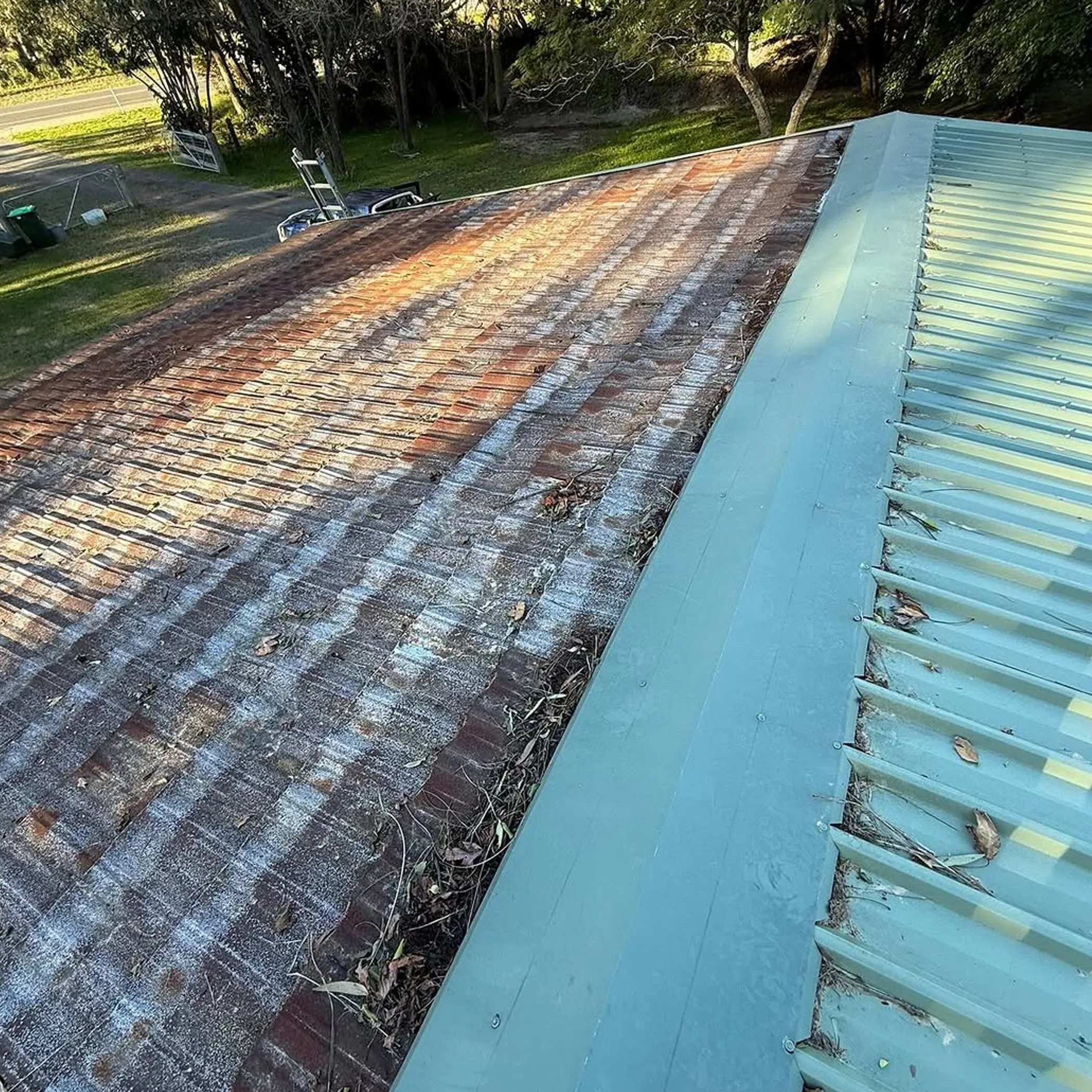
It tends to start with a single point of failure and go from there. A sheet of roofing comes loose and lets the water in to the insulation, which in turn wets the ceiling; now you have a bigger job on your hands than the wind warranted. Wind and rain will also lay bare what was already there: a cracked sealant or corroded fixing might stand up to normal conditions but not sustained pressure.
| Building Area | Common Threat | Early Warning Sign | Useful Preparation |
|---|---|---|---|
| Roof | Rain entry, wind uplift, branches | Stained ceilings, missing tiles or a loose sheet | Get maintenance done, clear the area |
| Windows/Doors | Water and wind pressure, broken glass | Seals giving way, gaps or hard to open | Inspect the locks and screens |
| Walls/Cladding | Debris, wind-driven rain | Peeling finishes, movement or cracks | Put right any defects |
| Foundations/Floors | Soil movement, erosion, floodwater | Uneven floors, a door that sticks | Take stock of flood exposure |
| Services | Dampness and water in mechanical/electrical | Unusual odours, tripped circuits | Have access and know where to isolate |
Five zones, four indicators each. What follows are warning categories, not an engineer’s assessment. Should a structure have been subject to floodwater or has cracked and shifted in any way, do not put it to use without first having a competent inspection done.
Roofs And Openings: A Matter of Protection

Residents will be the first to see trouble with the roof, which is for all intents and purposes their first line of defence. An East Coast Low can leave its mark in the form of missing tiles, metal sheets that have been lifted, compromised flashing, clogged gutters, broken skylights or ridge capping that has given way.
Under no circumstances should one go up on the roof in the wake of, or during, bad weather. From the ground an inspection may seem straightforward enough, but wetness, what damage is hidden and the risk of overhead electrics make it perilous. Training is something a ladder and pluck cannot replace.
Things To Look For On The Roof
Stand at ground level and you will spot if there are any displaced tiles, holes, water staining, loose gutters or a sag in the roofline; also watch for hanging branches. Make an examination of the upper walls and ceilings within for new discolouration, paint that is bubbling, the telltale smell of damp insulation or a drip.
Gutters and downpipes must be left unobstructed as heavy rain will run amok with a partially blocked system. Put in the time to clear leaves and such before the weather turns, yet where conditions are unsafe, refrain from any work of an electrical nature or at height.
Windows Are Not To Be Neglected
Wind pressure, a broken seal or frame, or simply glass giving way can cause windows and doors to fail. Debris carried by the wind can make an opening of an otherwise serviceable window for rain and more to get in.
See that they are locked and shut prior to the onset of the weather. Relocate any tools, umbrellas, pots or furniture of a loose kind from the vicinity of openings. Let the curtains or blinds stay closed for the duration of the storm, but taping a window is no replacement for sound maintenance.
Dealing With Erosion And Flooding
It is not only the wind that does damage in an NSW coastal storm. Large waves and storm surge are able to force water into areas of the coast that are low-lying, and extreme rainfall has a way of overrunning local waterways, stormwater systems and yards as well as the gutters.
Floodwater is to be regarded as contaminated until a professional says different; it can harbour sewage, chemicals and unseen electrical dangers in addition to doing harm to foundations, cabinetry, plasterboard, flooring and insulation.
Expect Water To Travel
One should expect water to find its way in through routes that go unnoticed when it is dry, be it under the floor, an adjoining property, round service penetrations or in wall cavities. While a sandbag at the door might be of some use, it is not going to remedy a site-wide drainage problem.
Then there is the matter of coastal erosion eating away at the soil and sand around a driveway, foundation or path. Do not put yourself close to an eroded edge, a cliff or a seawall in poor repair. The ground can appear quite firm until it is not.
Getting A NSW Property In Order

The best time to prepare a home in NSW is before a warning has been put out. One wants to put the property in a state where it is easy to inspect once the storm is over, to have essential papers in hand and to see that water is directed away from the building and loose hazards are gone.
Heed the directions of SES NSW and the local authorities and the Bureau of Meteorology’s New South Wales weather information. When a low-pressure system is building near the coast, forecasts and conditions have a habit of changing in short order.
- Secure or put away outdoor items like trampolines, bins, building materials and furniture.
- Do a check of the roof coverings, any visible cracks, the seals, downpipes and gutters.
- Only trim a branch that is a hazard if it is safe and within the law.
- Ensure torches and power banks are in working order, as are your smoke alarms and emergency numbers.
- Put valuables, medicines and electronics out of reach of any flooding.
- You should know how to cut off the gas, water and electricity, though do not wade into a flooded area to get to the switch.
- For insurance purposes later on, photograph the property ahead of severe weather.
- Leave the access paths and gates open for contractors and emergency services.
Occupants Must Be Considered
There is more to preparation than the gutters. It is necessary to make plans for the household: who is to look in on a neighbour in need, how to keep the children from the floodwater and where to go if a room is no longer safe.
Tenants would be wise to let the property manager know of a broken lock, a leaky roof or a blocked drain before the weather breaks. Landlords for their part ought to have a record of maintenance and put right any known defects. For anything of substance, seek the counsel of a professional as building standards and insurance will differ.
Respond Safely Afterward
Do not go back to a property that has been damaged until you have received the word from official sources. Even once the rain is over, roads and bridges can be as much of a hazard as before; in coastal areas conditions are apt to remain perilous after the storm itself is out of sight.
On arrival, do not put yourself inside. Make an inspection from the outside for any sign of trouble: sagging roofs or walls, windows out of place, downed power lines, unstable trees, floodwater or the smell of gas. An unsafe structure is one you should not enter. In the event of immediate danger put in a call to emergency services; otherwise abide by the SES NSW for any assistance with the aftermath of the storm or flooding.
- Make sure pets and people are at a remove from anything damaged, from electrical hazards and floodwater alike.
- Where it is safe to do so, put on record and photograph the damage prior to throwing anything out or starting to clean up.
- Get in touch with your insurer without delay to find out what they will sanction for emergency repairs.
- Have any structural work, roof access, hazardous materials or electricals done by someone qualified.
- You can dry things out expeditiously but do not hide the damage before it is put on file.
- Put all your claim numbers, receipts, reports, photos and contractor information in one place.
Emergency Repairs Matter
The purpose of an emergency repair is to head off more damage, not to put in a hasty renovation. Tarpaulins, boarding and water removal are fine provided they are done in a manner consistent with your insurer’s instructions and in a safe way.
A portable generator has no place in a garage, indoors or by a window. One does not want to learn during a storm that the manual is in the shed when carbon monoxide gives no warning.
Insurance And Repairs
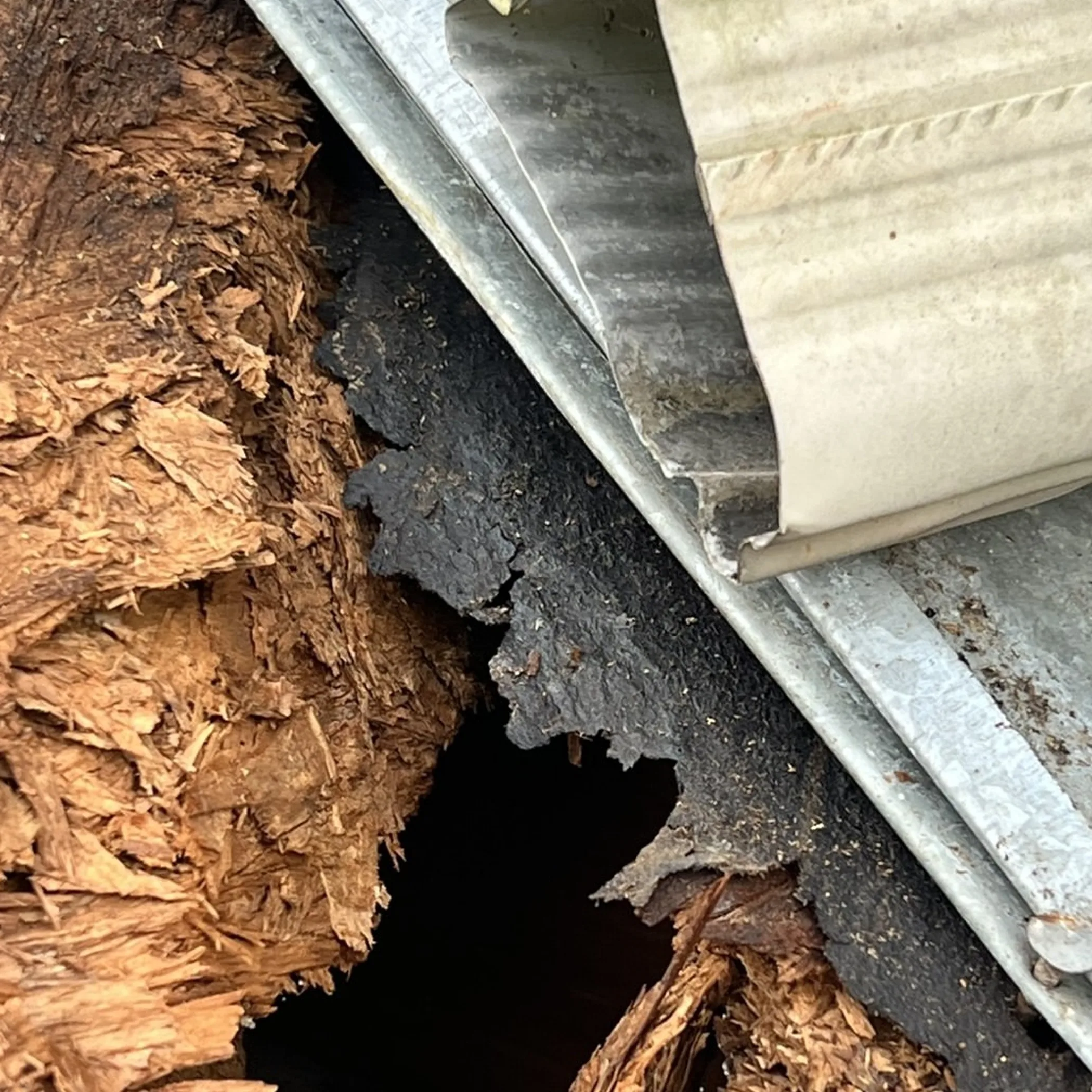
What home insurance will cover for an East Coast Low is a matter of the policy, its exclusions, the excess, the evidence and how the loss was caused. The insurer will make distinctions between a storm, flood, water entry, coastal erosion or something like gradual deterioration and poor maintenance.
Even where the tab is not yet known, inform the insurer. Enquire as to inspection requirements, temporary accommodation, make-safe work and preferred contractors. Do not take for granted that all water damage is covered, nor that a rebuff in the first instance is the last word.
Separating Storm Damage From Wear
It is possible an insurer will look to see if the damage was the sudden doing of the storm or the result of long-term decay. A claim can be made difficult by corroded fixings, old sealants, a pre-existing leak or blocked gutters. Maintenance records and dated photographs of the building beforehand will help to set the scene. Should there be a dispute, have the decision and the reasoning behind it in writing and then seek independent advice from a building or insurance expert.
Preparation In Proportion To Risk

Those with property on the NSW coast would be well advised to give priority to their roof fixings, drainage, openings, trees and access. Residents of inland suburbs should be looking at catchments, creeks and road closures and not think the risk is confined to the coast. As for the 2026 weather outlook in NSW, treat it as a planning guide subject to change, not as a guarantee of what will or will not happen in a given suburb. Heed local observations and current warnings, and if told to evacuate by the authorities, do so without delay.
Frequently Asked Questions
Can an East Coast Low do damage to buildings in NSW?
Yes. Roof leaks, missing materials, broken glass, water ingress, damage to walls and ceilings, flooding, erosion and even structural problems are all possible. It is a question of the building’s location, condition and elevation as well as the wind and rainfall of the storm.
Preparation for an East Coast Low in my NSW home?
Check the roof and gutters and clear them, put away outdoor items, trim any dangerous branches, get an emergency kit ready and photograph the property. Be in a position to isolate services and watch the Bureau of Meteorology, SES NSW and other authorities for warnings.
Is the frequency or intensity of these lows on the increase?
One should not read too much into a bad coastal storm as evidence of a trend. Look to official scientific assessments and the modelling for a proper analysis of the data rather than a headline or a particularly memorable storm.
My roof has been damaged in the storm, what then?
Stay clear of the roof and of any fallen lines or electrical hazards. From a vantage point that is safe, photograph what you can see, contact your insurer and put in for some qualified emergency repairs. Temporary protection is acceptable if it can be put in safely.
Will home insurance put me right for East Coast Low damage?
Some of it may be covered but the policy and the cause of the loss are determinative. There are different conditions and exclusions for a storm surge, flood, coastal erosion or lack of maintenance. Your insurer should be contacted and asked for a written explanation of the relevant policy.
Where on the NSW coast is one most exposed?
Generally in the vicinity of headlands, open beaches, estuaries, river mouths, low-lying plains and dunes that are not stable, or where drainage is poor. But distance from the ocean is no safeguard against serious wind and flood damage in some inland spots.
Getting The Building Ready

Residents in NSW can deal with the effects of an east coast low if they have prepared before the warning comes in. A sensible plan for an emergency, regular upkeep and good documentation of the building will serve to limit the damage and the ensuing chaos.
There is no need to be in a panic over every dark cloud. Know where your building is vulnerable and how the elements will play around the property. Follow the advice given and put safety ahead of a few minutes or an outdoor chair that has seen better days.