Heat Safety in Practice on Australian Sites
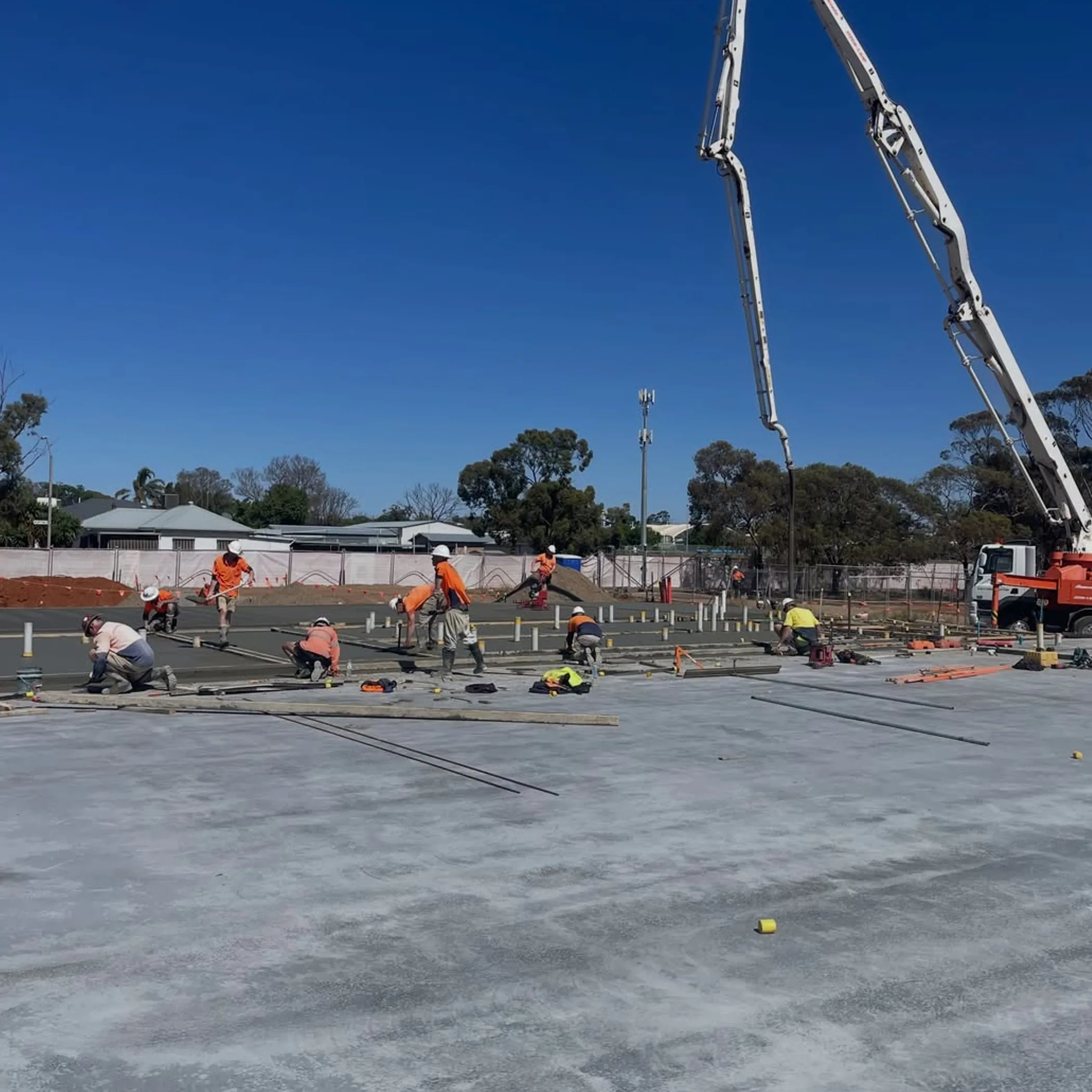
The 2026 guidelines for construction heat stress in Australia are about getting a handle on risk before it makes a worker sick. There is no automatic stop-work temperature set by national law, nor one legal maximum that applies to all construction sites in the country. The onus is on the PCBU to spot heat hazards and talk with workers, put in place controls that are reasonably practicable and see how they hold up as conditions vary.
We have put together this guide to make the requirements of working in the heat in Australia easy to understand. You will find plain language on everything from risk assessment and hydration to shade, rest, acclimatisation, PPE and what to do in an emergency. Fletcher Rosenthal has produced it for the contractor, site manager, supervisor or worker looking for something of substance for the job, not a poster to be left to curl in the lunchroom.
Of course, the letter of the law is to be found in the WHS legislation and regulator guidance of the state or territory in question, as well as industrial instruments and site procedures. High-risk work calls for competent advice and organisations would do well to check with their regulator on what is required.
Temperature Limits And When To Call A Halt
One is hard pressed to find a rule for a legal stop work temperature in Australia. For the most part, there is no national air-temperature figure that brings all construction to a standstill. Humidity, airflow, the sun, workload, PPE and the health of the individual are as much a factor as the thermometer in determining heat risk. These conditions also highlight the importance of seasonal weather on elevated safety.
With poor air movement and high humidity, a site can be hazardous at a comparatively low temperature if men are doing heavy manual labour in the open. Then again, with the right controls in place a hotter day is no obstacle to light work in the shade. The issue is not “How hot is it?” but whether the work can be done safely.
When Work Should Pause
A supervisor is to stop, modify or put work on hold if the task is an unacceptable risk, weather turns for the worse or symptoms appear in workers. An extreme heatwave, lack of water or a worker who has not yet acclimatised are sufficient reason to act. Workers must feel free to voice concerns and not be put under pressure to go on. Any decision to stop work should be put on record and may mean rescheduling to cooler hours, bringing in more hands or moving the work inside.
Duties of Site Leaders
Australian WHS laws place a primary duty on the PCBU to safeguard the health of those affected by the work so far as is practicable. Heat is a hazard if it can lead to an incident, poor concentration or impaired judgement.
It is for the employer, principal contractor and site managers to coordinate these duties; a subcontractor is not to be used as an escape hatch for the main contractor. All who have any say in the work should be involved in controlling the risk of heat.
What is entailed
In terms of WHS heat stress, one is expected to identify foreseeable hazards, consult with the workforce, train them to spot the signs and have safe systems in place. The risk assessment should extend to visitors, the public, labour-hire and contractors as well as your own employees.
Supervision is a consideration for the site manager. A worker showing weakness or confusion is not in a position to decide to call it quits. Supervisors require the authority to step in and workers a simple means of putting in for a recovery break.
For information on workplace safety in Australia and national direction, refer to the official guidance of Safe Work Australia.
Do Your Risk Assessment
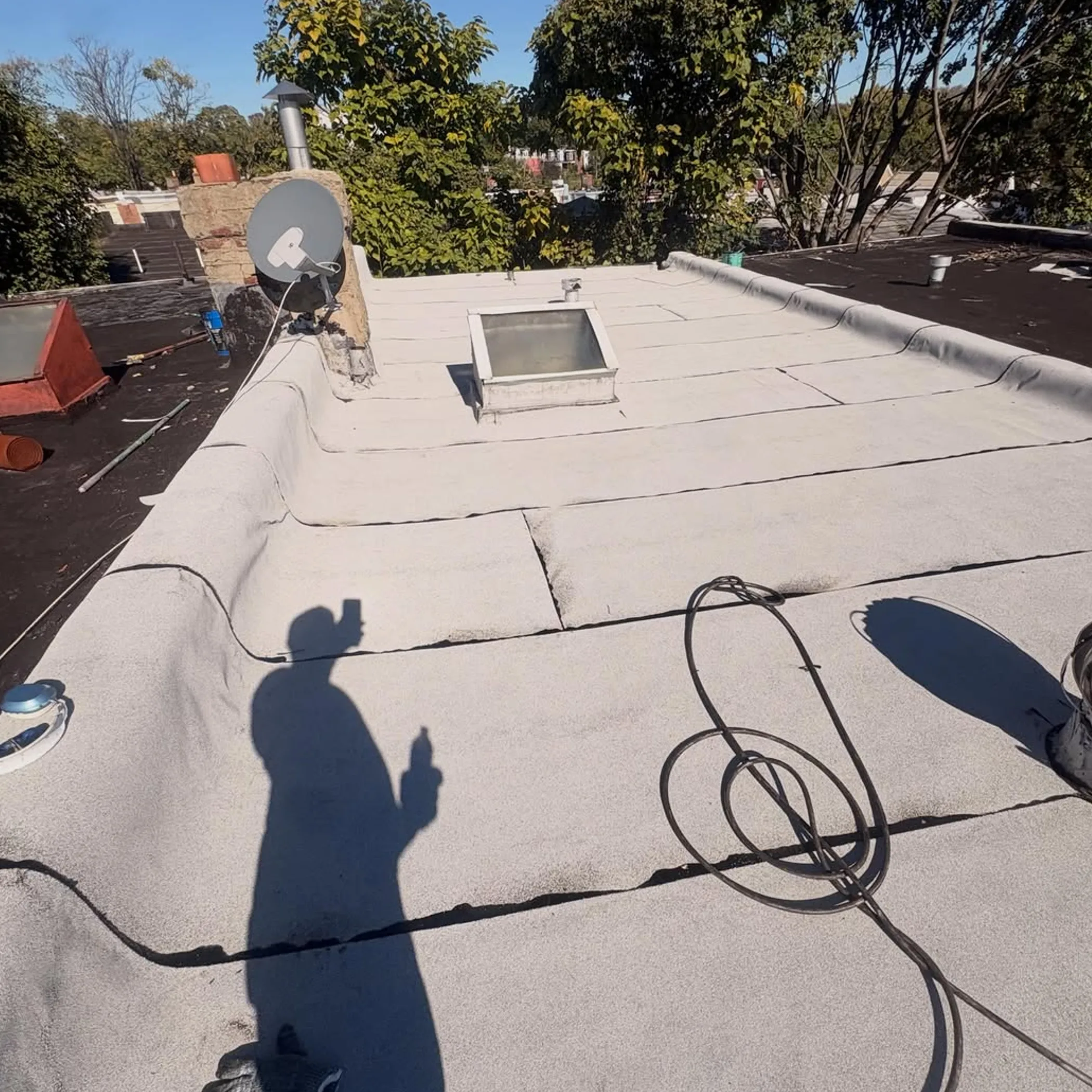
An assessment of heat risk ought to be pertinent to the day, the location and the task at hand. A generic “have a drink and a break” does not tell you what is to be done when the weather gets rough as guts.
Check the forecast but the conditions at the work face are what count. Heat will build up fast around plant, steel, concrete or roofing. Do it before the shift and keep an eye on it through the day.
Factors to look at
Factors to look at include the wind, humidity, direct sun and radiant heat off surfaces. Take stock of the demands of the job: the pace, the lifting, stairs, confined spaces and how far one has to travel. See if the PPE being worn is of a heavy or impermeable kind.
Then there are the individuals. Those who are unwell, on certain medications or new to the job (and those returning to it) are at greater risk. While a supervisor has no place inquiring after private medical information, it is important that there be a safe avenue for an employee to put any pertinent concerns before the right person.
Heat Risk Planning Table
| Work condition | Main concern | Practical response |
|---|---|---|
| Direct sun on slabs or roofs | Radiant heat, quick dehydration | Put up shade, have recovery areas available, schedule work earlier and rotate tasks |
| High humidity, poor airflow | Ineffective evaporation of sweat | Better ventilation, more monitoring and a lighter workload |
| Repetitive or heavy lifting | Body temperature will climb faster | Bring in mechanical aids and more workers, institute planned breaks for recovery |
| Structures that are enclosed or not yet finished | Heat and air are trapped | Check conditions and ventilate; question if the work should go ahead |
| Bulky PPE/protective clothing | Less cooling from sweat | Examine the PPE and allow adequate cooling breaks, limit time of exposure |
| Workers new to the job or back after an absence | Not fully acclimatised | Keep a close watch and build up their exposure |
Document what you have assessed and the controls in place. There is no call for a lengthy document that no one will bother to read; a brief pre-start entry each day will suffice so long as it is evident the site has given thought to the conditions and the job at hand.
Recognise Symptoms Early
A case of heat illness can turn into a medical emergency out of what was simply discomfort. One must act early since a worker under the direct sun or dehydrated from hard labour can go from looking tired to being in trouble in short order.
From Cramps To Heat Stroke
Thirst, a dry mouth, headache, dizziness, dark urine, weakness and a lack of concentration are all signs of dehydration. An itchy or prickly rash may be heat related. Painful spasms in the muscles, or heat cramps, can come on after a good sweating.
With heat exhaustion there is profuse sweating, skin that is pale and clammy, nausea, dizziness and possibly fainting. If the individual is conscious and can drink, give some water, then get him to a cool spot, unbutton any superfluous clothing and let the body cool down while the work is halted.
Heat stroke is another matter entirely. Should one see confusion, a seizure, collapse or an abnormally high temperature, summon emergency services without delay. Do active cooling and stay with the person. Letting a worker “walk it off” is a recipe for making a bad day worse.
Controls That Keep Workers Cool
The best way to forestall heat stress is to combine a number of controls. A punishing workload and a lack of shade cannot be made up for with water. The objective is to cut the exposure at its source and back it up with some practical means of recovery.
Where you can, follow the hierarchy of controls: do away with hot work that is not needed, put in engineering controls, make use of safer methods and organise things properly. And ensure PPE is not an unnecessary burden of heat.
Plan The Work Around Heat
By way of scheduling, put the more strenuous jobs in when the day is not at its hottest. Get an early start, put in extra hands or equipment to spare the manual effort, and give workers a realistic amount of time to rest and cool off instead of expecting them to keep up the pace. Have recovery zones that are shaded or air conditioned within easy reach. Fans and ventilation are fine so long as they do not present a dust or electrical hazard. Misting systems and the like can be of assistance but are no substitute for the basics.
Manage PPE Sensibly
One needs personal protective equipment for the task. But a supervisor ought to look at the gear, be it a helmet, respirator or gloves, and decide if it is adding to the strain. Lighter options that are in compliance or a rotation of duties may be in order.
Do not countenance the informal removal of required PPE. Talk to the safety professional and have the risk assessment in mind before altering protection. It is hardly a success to have a cool worker whose head or eyes are left unprotected.
Water Shade And Acclimatisation
For hydration to be of any use the water has to be within easy reach and cool, and offered before the thirst sets in. Make sure workers are drinking through the shift and not putting off fluid with caffeine or alcohol.
Shade is for the workers to use on their break, not something to be found on the far side of the site. Put it where the work is being done and make it of a size to accommodate them. You will not find a recovery plan in a small umbrella by the tower crane.
Build Heat Tolerance Gradually
Working in the heat requires a period of acclimatisation, a slow process of adjustment. For new hands or those who have been away for a while it is advisable to ease them in with lighter duties and less exposure, under a watchful eye and with more time set aside to recover. One’s method should be dictated by the weather on the ground, the demands of the job and the condition of the worker.
Do not mistake a lack of comment for contentment; supervisors would do well to make an enquiry. Put some emphasis on buddy monitoring in any situation where a man could be left to himself: on a roof or in a pit, in an enclosed structure or out in a remote part of the site.
State Rules And Site Policies
There is no one rulebook for WHS in Australia. Regulators in each state and territory put their own spin on legislation, guidance and enforcement. You will find authorities such as SafeWork NSW and WorkSafe WA, the ACT Government and their counterparts elsewhere.
It falls to the construction company to determine which regulator has jurisdiction over the site and to review the approved codes, current guidance and any construction award or enterprise agreement that applies. While CFMEU directives, the principal contractor’s way of doing things and consultation with the workforce will shape practice on site, they are no excuse for shirking a legal duty.
Make The Policy Usable
The purpose of a sound heat policy is to spell out who has the authority to call off work, where the recovery areas are, how a worker puts in a report of symptoms and when the assessment is done. It must extend to visitors and contractors and have emergency contingencies in place as well as a plan for resuming work in safety.
And after a near miss, a complaint, a shift in the task or the weather, the policy ought to be put to the test. A document in a folder is just paperwork, not control, if workers are baking next to a concrete pump.
Seasonal Weather Changes Risk
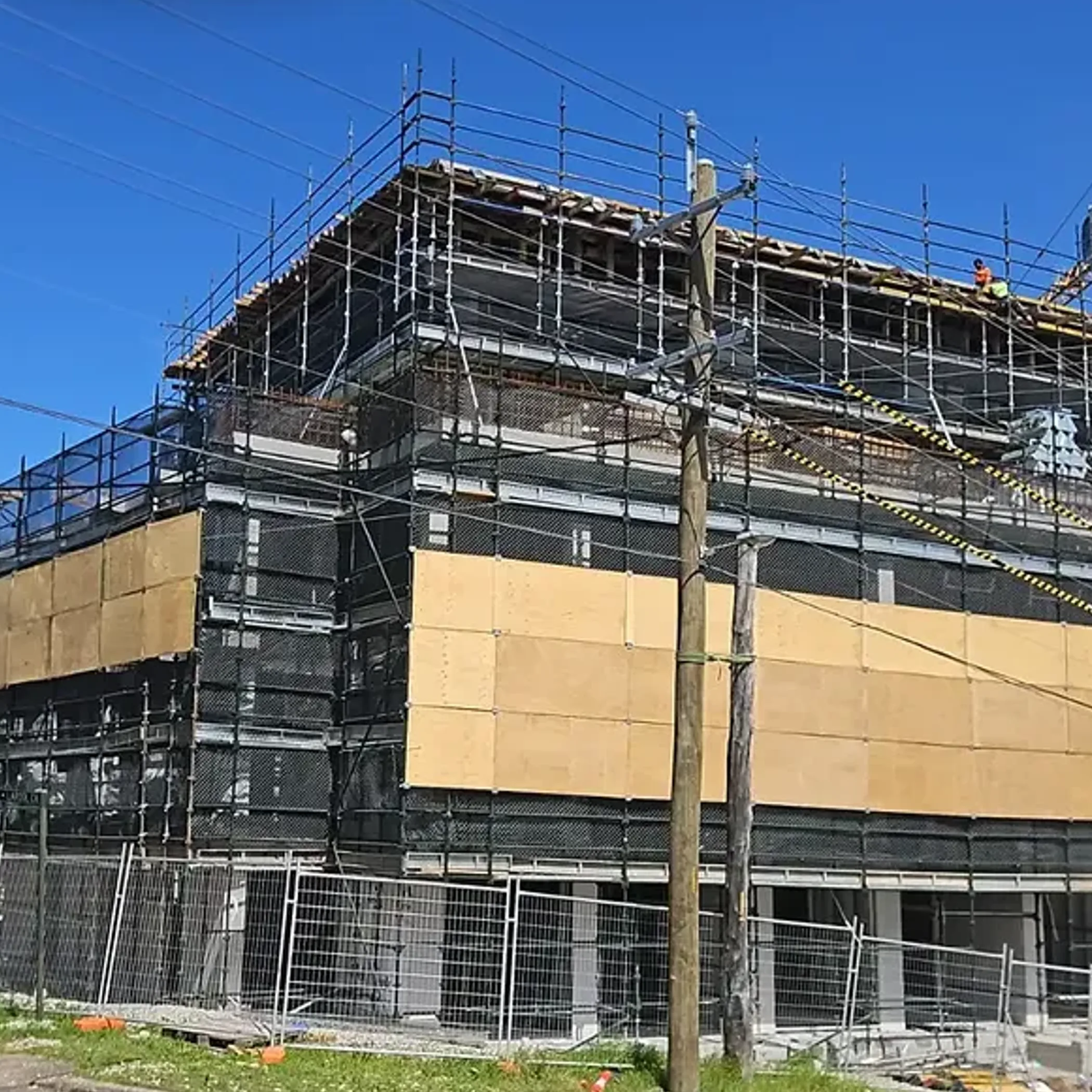
One cannot speak of a national pattern when it comes to the safety risks of seasonal weather. In the Top End and northern WA there are wet and dry seasons to contend with. The Pilbara will see dust, long drives and radiant surfaces in addition to the heat. Daytime in the Red Centre can be intense enough to cool off in the morning or evening.
Then there is summer with its bushfire closures, smoke, heatwaves and access problems. From November to April a cyclone warning in the north can put a damper on site security and lifting ops and dictate when you can get back to work. On the Gibb River Road or Stuart Highway, getting help or moving your people is made harder by the distance and what little service is on offer.
Expectation Versus Reality
You might think an early start will take care of the heat. In fact the air will warm up and the workload is still on, with steel and concrete holding the temperature.
An old hand is not necessarily safe; experience can lead to a headache or dizziness being put down to nothing. The best run sites are those where calling an early halt is seen as good sense and not a sign of weakness.
Construction Heat Checklist
Run through this at pre-start and amend as the day goes on:
- Temperatures, humidity and airflow as well as the forecast and what is actually there.
- Any plant that generates heat, direct sun, confined spaces and tasks with a heavy workload.
- That water, shade and a place to recover are on hand and easy to get to.
- Rest, rotation and supervision for the acclimatising worker.
- PPE – keep what is required but do not add to the heat burden for no reason.
- Let the workers know who can put a stop to the task and how to register a symptom.
- Have first-aid and heat stroke response in order, including transport.
Frequently Asked Questions
What Are The Main Australian WHS Regulations?
In broad terms the law in Australia puts it on PCBUs to put in place safe systems of work, train and supervise, identify hazards and manage risk, so far as is reasonably practicable, for the protection of all. Duties are not uniform across the board though; check with the regulator in question.
How Can Construction Workers Avoid Heat Stress?
By making use of the shade and cooling, having a drink of water at regular intervals and not overexerting themselves in the height of the day. They should report any symptoms and stick to the acclimatisation plan. The supervisor has a role to play in seeing to the scheduling, PPE and conditions.
Is There A Legal Maximum Temperature?
Not for every task in construction. There is no number that is automatically enforceable. All manner of factors from clothing to radiant heat and workload come into the risk assessment and work may have to be put on hold before a figure is hit.
What Is The 2026 Construction Industry Outlook?
We have no verified figures for the industry in 2026. Do not pass off an unverified forecast as a matter of safety. WHS obligations stand firm in the face of extreme heat and project pressures.
Can Workers Refuse Hot Work?
They should make any shortcoming in controls or unsafe condition known without delay. Whether a worker is within his rights to walk away is a matter of the law and the circumstances, but a PCBU is not to turn a blind eye to a legitimate concern. If in doubt, a supervisor should look at the risk and put in a call to the regulator.
Build A Safer Summer Plan

It is about planning and supervision as much as talking to the workers. There is no prize for putting a task to bed once someone has had to be put out of his misery.
The standard for 2026 is straightforward: be intelligent in your scheduling, put in the water and recovery space, monitor for symptoms and when the controls are not working, change the work or stop. It is the way to comply with the law and ensure everyone makes it home in decent order.
SEO Title
Construction Heat Safety 2026
Meta Description
2026 guidelines on heat stress for the Australian construction sector covering WHS, state rules, hydration, breaks and controls.